

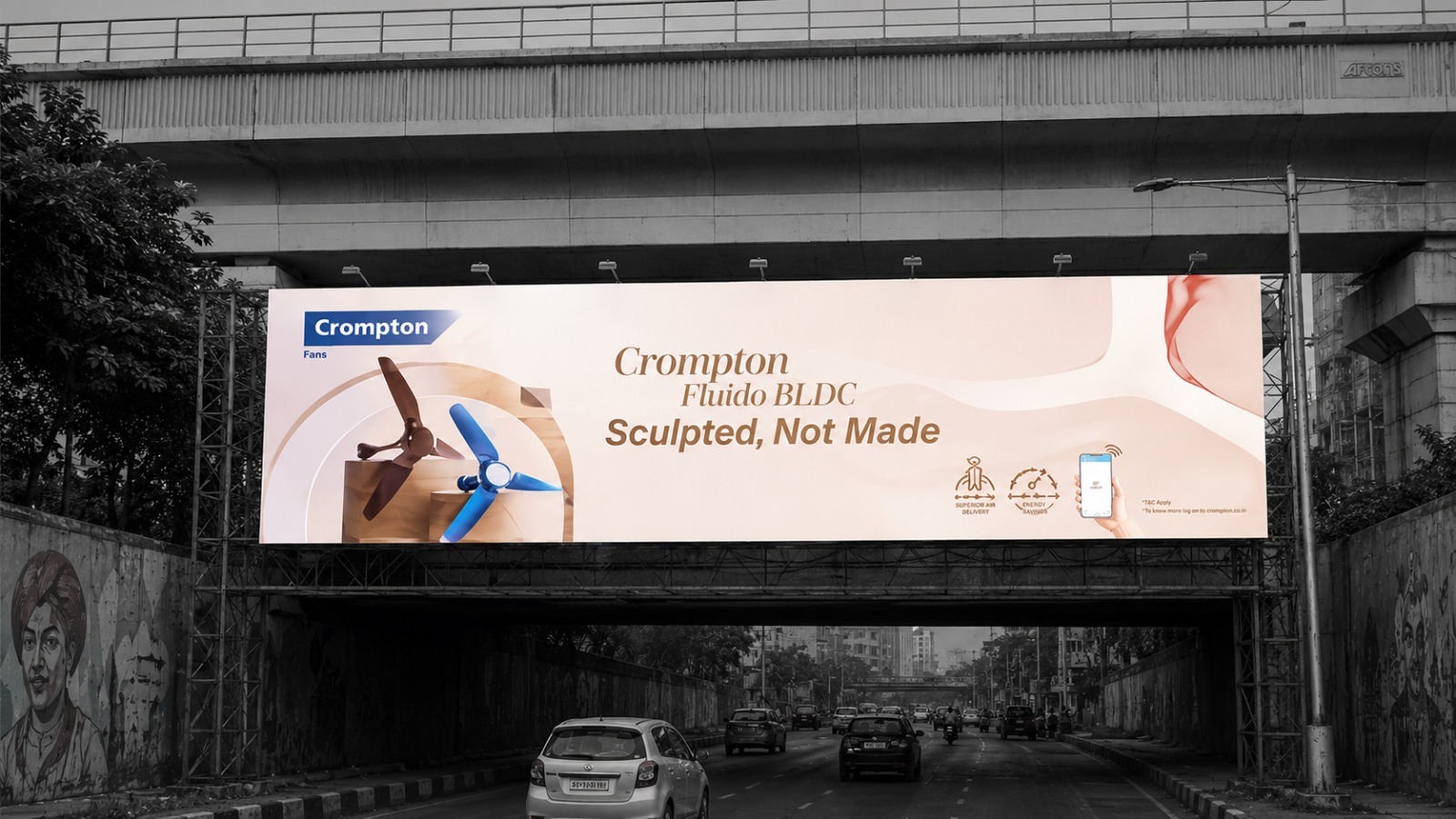
Ask three advertisers what a hoarding costs in Ahmedabad and you'll probably get three different numbers. All three could still be correct. Location, size, how long the campaign runs, whether it's lit up at night, even how often someone climbs up to clean it: every bit of that shapes the price. That's exactly the kind of thing a local partner can help you make sense of. Kaushik Outdoors is one of Gujarat's established outdoor advertising companies, giving brands access to strategic hoarding locations across Ahmedabad and Gujarat. Here's what actually pushes the price up.
The city itself keeps changing shape. New commercial pockets, growing residential areas, roads that get busier every year, and every bit of that growth turns into fresh space for brands to reach people outside their homes and offices.
Outdoor advertising has stuck around for one reason really: it catches people while they're already moving. Someone driving to work, a family out for groceries, a visitor seeing the city for the first time- they end up passing the same hoarding two or three times in a week without trying to. That repetition does the heavy lifting.
So before any of that repetition starts working for a brand, there's the question everyone actually wants answered first. What's this going to cost, and why?
Location decides most of the price
Location is what really decides what a hoarding costs. A spot on a major road or a busy commercial stretch will always be priced higher than a quieter one, mostly because more people simply see it.
In Ahmedabad, that means locations near business districts, upscale residential belts, highways, and the arterial routes people drive every single day. But footfall alone doesn't tell a media planner much. The surrounding neighbourhood matters just as much as the traffic count.
A few things worth checking before locking in a site: how much traffic actually moves through, whether the location connects well to the rest of the city, what offices or housing societies sit close by, whether the board is even readable from a moving car, and whether the spot fits the product being sold.
A real estate brand selling premium apartments will want the routes its buyers drive daily. A retail brand cares more about where people already stop to shop. Get that match right, and the hoarding stops being just a hoarding. It becomes something people start to recognise without even reading it.
Who's passing by matters more than how many?
Traffic numbers look impressive on a media kit, but they don't tell the full story. A road with ten thousand cars a day means very little if none of those drivers is your customer.
What matters more is the shape of that traffic. When do people actually move through, morning rush or late evening? What kind of commuter dominates the route, office-goers, students, families? What's sitting nearby that pulls a particular crowd?
An ed-tech brand does better near a cluster of colleges. A B2B service does better near office parks. It's less about the number of eyeballs and more about whose eyeballs they are.
Size and format change what you pay
Bigger structures cost more, plain and simple. More material, more production hours, more people needed to install it safely.
Ahmedabad's outdoor market runs on a handful of formats: traditional hoardings, unipoles, digital displays, scrollers, transit media, and railway advertising. Each one suits a different kind of visibility.
For sheer scale, billboard advertising in Ahmedabad is still hard to beat. Nothing else grabs attention from that far away, that fast.
But bigger isn't always the answer. A product launch might need a display large enough to stop traffic outright. A local campaign, on the other hand, can do just as well with one well-chosen hoarding on the right corner.
Duration sets the rhythm
Repetition is really what makes outdoor advertising work. See something enough times on the way to work, and it lodges in your head whether you wanted it to or not.
Short-term bookings tend to suit events, seasonal offers, and new launches, campaigns with a clear start and end date. Longer bookings make more sense for brand awareness, market expansion, or just staying visible over months.
There's a practical side to this too. Premium sites get booked out early, especially during peak seasons, so duration planning isn't only about the campaign itself. It's also about not losing the site to someone else.
Printing, installation, and upkeep add up
Booking the space is really just the first step. Getting a hoarding physically up and keeping it looking sharp for weeks or months takes real effort on the ground. Someone has to design the artwork to the right size, print it on material that survives outdoor exposure, install it correctly, and then keep checking on it through the campaign.
Ahmedabad's sun and monsoon aren't kind to outdoor material. Skip the maintenance and a hoarding fades or peels within weeks, and at that point it starts working against the brand rather than for it.
Lighting adds to this cost too, and it's worth it on the right route. Some roads only come alive after dark, and if the target audience is driving home at 9 PM, an unlit hoarding basically stops working the second the sun goes down. What it costs depends on the location, the size of the board, and the kind of lighting used, but get it right and a hoarding's real working hours stretch by three or four extra hours a night.
Finding the right outdoor advertising partner
None of this is guesswork when you've got the right partner. Planning a hoarding campaign takes local knowledge, traffic patterns, audience behaviour, which formats actually work where, and how execution plays out on the ground. Get any one of these wrong and the whole investment underperforms.
A good outdoor advertising company in Ahmedabad walks brands through the whole process, picking the right site, planning the media, handling installation, and managing the campaign once it's live.
Kaushik Outdoors has built its name in Gujarat's outdoor advertising space. It gives brands access to hoardings, railway advertising, transit media, and scrollers across Ahmedabad and Gujarat.
The Bottom Line
Hoarding advertising cost in Ahmedabad comes down to location, audience, format, duration, production, and lighting, and none of these work in isolation. Once you understand how they interact, budgeting stops feeling like a guessing game.
The best campaigns don't just buy space. They pair the right location with solid execution and visibility that holds up over time, not just for the first week.
Planning an outdoor campaign across Ahmedabad or Gujarat? Kaushik Outdoors can help you find the right hoarding opportunities and OOH solutions for your brand. Connect with Kaushik Outdoors today.
More Blogs
Highway Vs City Billboard Advertising In Gujarat: Why Location Changes The Message
Highway billboard advertising and city street advertising in Gujarat...
Read Article →
Why Outdoor Advertising Still Dominates Brand Visibility In 2026
In a world driven by digital screens, outdoor advertising continues... Read Article →
Types Of Outdoor Advertising: Billboards, Transit Media, Hoardings & More
From large-format hoardings on busy highways to transit media seen...
Read Article →